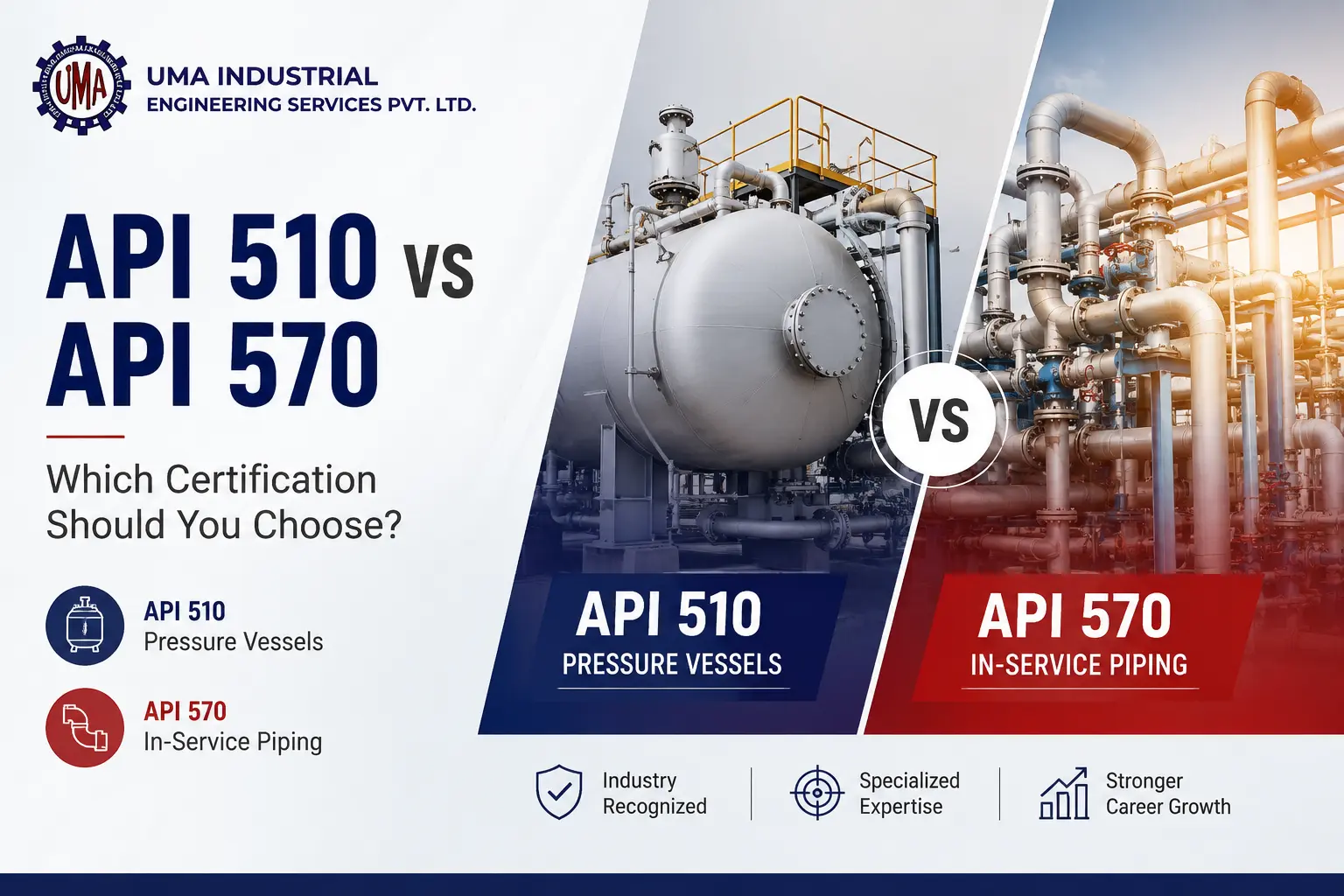


How to Start a Career in the Oil & Gas Sector After Engineering
The Oil & Gas industry remains one of the most rewarding sectors for engineering graduates. With increasing demand for energy, companies are constantly looking for skilled professionals in areas such as drilling, production, design, maintenance, safety, and project management.
1. Choose the Right Engineering Background
Engineers from the following disciplines are highly sought after:
- Mechanical Engineering
- Chemical Engineering
- Petroleum Engineering
- Electrical Engineering
- Civil Engineering
- Instrumentation & Control Engineering
2. Build Industry-Relevant Skills
Apart from your degree, focus on developing skills such as:
- Process Design & Engineering
- Piping Engineering
- Plant Design
- HSE (Health, Safety & Environment)
- AutoCAD, PDMS, E3D, and CAESAR II
- Project Management Fundamentals
3. Gain Practical Training
Industry-oriented training programs help bridge the gap between academic knowledge and real-world requirements. Practical exposure to engineering software and project workflows can significantly improve employability.
4. Earn Professional Certifications
Relevant certifications can strengthen your resume and make you stand out during recruitment. Certifications in piping engineering, process engineering, safety management, and oil & gas operations are particularly valuable.
5. Apply for Entry-Level Roles
Freshers can start their careers in positions such as:
- Graduate Engineer Trainee (GET)
- Design Engineer
- Piping Engineer
- Process Engineer
- Site Engineer
- Maintenance Engineer
- Project Coordinator
6. Stay Updated with Industry Trends
The oil & gas sector is evolving with digital technologies, automation, and sustainability initiatives. Continuous learning and skill enhancement are essential for long-term career growth.
Conclusion
Starting a career in the Oil & Gas industry after engineering requires a combination of technical knowledge, practical training, and industry-relevant certifications. By building the right skills and gaining hands-on exposure, engineering graduates can unlock exciting opportunities in one of the world’s most important industries.
FAQs
Is Oil & Gas a good career option for engineering graduates?
Yes. The industry offers competitive salaries, global opportunities, and strong career growth for skilled engineers.
Which engineering branch is best for the Oil & Gas sector?
Mechanical, Chemical, Petroleum, Electrical, and Instrumentation Engineering are among the most preferred branches.
Do freshers need certifications to enter the Oil & Gas industry?
While not mandatory, certifications and industry-focused training can significantly improve job prospects.
What is the average starting role for fresh engineering graduates?
Most freshers begin as Graduate Engineer Trainees, Design Engineers, or Site Engineers.
How can I get practical exposure before joining the industry?
You can enroll in specialized training programs, internships, and industry-oriented certification courses that provide hands-on project experience.