What Does a QA/QC Inspector Do in the Oil & Gas Industry?
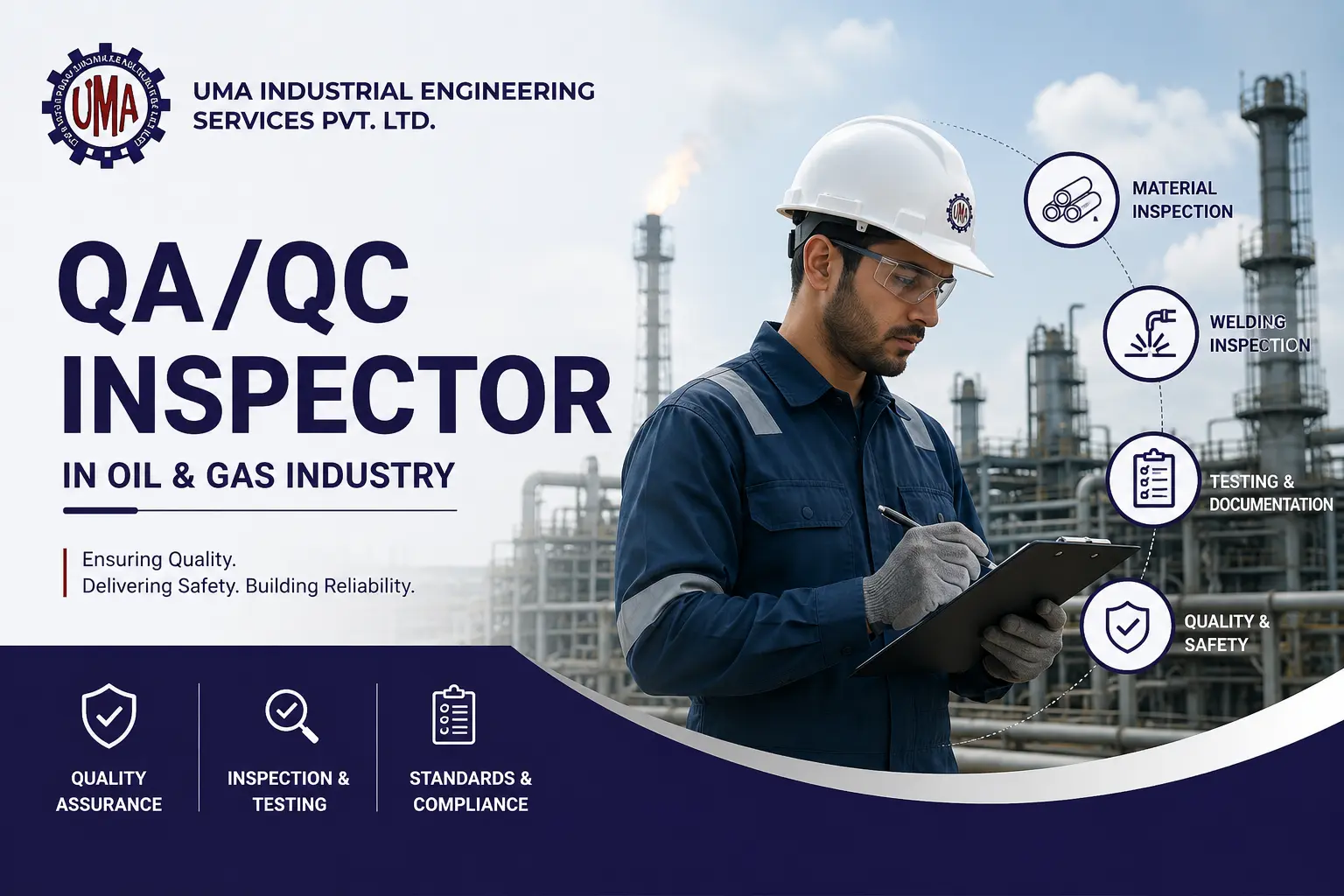
The oil and gas industry involves complex equipment, high-pressure systems, pipelines, storage facilities, and critical construction activities. To ensure these assets meet required quality and safety standards, QA/QC inspectors play an important role. They inspect materials, welding, fabrication, installation, and testing throughout a project.
For professionals planning a career in oil and gas inspection, understanding the QA/QC inspector job responsibilities is essential.
Who Is a QA/QC Inspector?
A QA/QC inspector is responsible for checking whether materials, processes, and completed work comply with approved drawings, specifications, project requirements, and applicable industry standards.
Quality Assurance (QA) focuses on preventing quality problems by following proper procedures, while Quality Control (QC) focuses on inspecting and testing the actual work to identify defects or non-conformities.
Key Responsibilities of a QA/QC Inspector
1. Material Inspection
QA/QC inspectors verify incoming materials such as pipes, valves, fittings, plates, and structural components. They check material certificates, specifications, dimensions, and traceability before the materials are used.
2. Welding Inspection
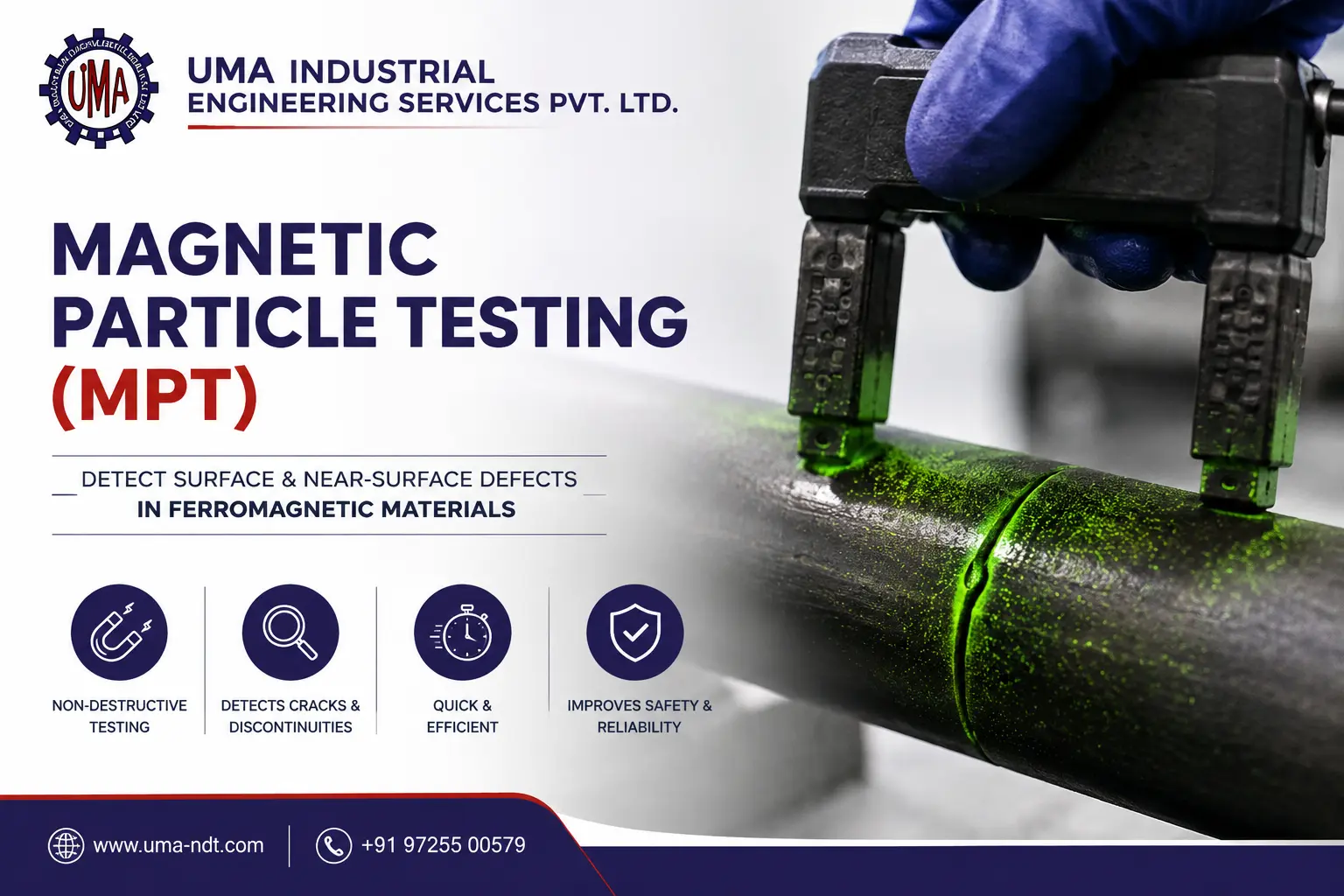
Welding is critical in oil and gas projects. Inspectors monitor welding activities and verify parameters, procedures, welder qualifications, and visual quality. They may also coordinate NDT (Non-Destructive Testing) methods such as UT, RT, MT, and PT.
3. Inspection of Fabrication and Installation
Inspectors check whether fabrication and installation activities follow approved drawings and project specifications. They verify dimensions, alignment, fit-up, supports, and other important requirements.
4. Testing and Documentation
QA/QC inspectors review inspection and test results and maintain important quality records. These may include inspection reports, material certificates, welding documents, test reports, and non-conformance reports.
5. Identifying Defects and Non-Conformities
When work does not meet project requirements, inspectors identify the issue and report it through the appropriate quality-control process. They also help ensure corrective actions are completed before work proceeds.
6. Following Codes and Standards
QA/QC inspectors need knowledge of relevant codes, standards, and specifications used in oil and gas projects. Depending on the role, these may include API, ASME, ASTM, AWS, and ISO standards.
Skills Required for an Oil & Gas QA/QC Inspector
A successful QA/QC inspector should have strong technical knowledge, attention to detail, communication skills, and an understanding of inspection procedures. Knowledge of welding inspection, NDT, material testing, piping, documentation, and relevant industry codes can improve career opportunities.
Professional certifications such as NDT Level 2, API certifications, welding inspection qualifications, and other specialized inspection courses can also strengthen an inspector’s profile.
Why QA/QC Inspection Is Important in Oil & Gas
Quality failures can lead to equipment damage, production downtime, costly repairs, and serious safety risks. Effective QA/QC inspection helps ensure that materials and construction work meet required standards before equipment is commissioned.
For this reason, qualified QA/QC professionals are needed across refineries, petrochemical plants, pipelines, fabrication yards, power projects, and other industrial facilities.
Conclusion
A QA/QC Inspector in the oil and gas industry plays a vital role in maintaining quality, reliability, and compliance. From material inspection and welding checks to documentation and testing, their work helps ensure that industrial projects are completed according to required standards.
For professionals interested in inspection and quality careers, developing practical knowledge and earning relevant certifications can be an important step toward building a strong career in the oil and gas sector.
Frequently Asked Questions
1. What does a QA/QC inspector do in oil and gas?
A QA/QC inspector checks materials, fabrication, welding, installation, testing, and documentation to ensure compliance with project specifications and applicable standards.
2. What qualifications are required for a QA/QC inspector?
Requirements vary by position, but technical education, industry experience, inspection knowledge, and certifications in areas such as NDT, welding inspection, or API can be valuable.
3. Is NDT knowledge important for QA/QC inspectors?
Yes. Knowledge of NDT methods such as UT, RT, MT, and PT can help inspectors understand how welds and components are tested for internal and surface defects.
4. Where can QA/QC inspectors work?
They can work in refineries, petrochemical plants, pipelines, fabrication yards, offshore projects, power plants, and other industrial construction and maintenance projects.
5. Can QA/QC inspection be a good career in oil and gas?
Yes. QA/QC inspection offers opportunities for professionals with strong technical knowledge, relevant certifications, and practical industry experience.

:%20Working%20Principle,%20Applications%20&%20Limitations)